Travel expense reports in Austria: How employers settle them correctly
Veröffentlicht am 28.07.2026
Lesedauer: 6 min

Contents
- What is a travel expense report?
- How does travel expense reporting work for employers?
- Mileage allowance, daily allowance & others: Which costs can be settled?
- What information belongs in a travel expense report?
- What receipts are required for a travel expense report?
- Example of a travel expense report
- Common mistakes in travel expense reporting
- Digital travel expense reporting with free-com
- Frequently asked questions about travel expense reporting
Inhalt
- What is a travel expense report?
- How does travel expense reporting work for employers?
- Mileage allowance, daily allowance & others: Which costs can be settled?
- What information belongs in a travel expense report?
- What receipts are required for a travel expense report?
- Example of a travel expense report
- Common mistakes in travel expense reporting
- Digital travel expense reporting with free-com
- Frequently asked questions about travel expense reporting
Whether it’s a client meeting, trade fair visit, or training course: when expenses arise in the course of a business trip, they must be correctly recorded and settled. The travel expense report serves to document travel costs, daily allowances, overnight costs, and other expenses in a traceable way and to record them correctly for tax purposes.
For employers, this involves administrative effort that shouldn’t be underestimated. With a digital or automated travel expense report, however, processes can be significantly simplified. In this article, you’ll learn how travel expense reporting works in Austria, what information is required, and how companies can digitize the entire process.
What is a travel expense report?
Anyone who travels a lot for work knows: every business trip generates various expenses for food, travel, and accommodation. That’s exactly what the travel expense report is for. It’s a detailed statement of all costs incurred during a business trip.
How does travel expense reporting work for employers?
The travel expense report records, checks, and reimburses all costs of a business trip. For employers, it also serves as the basis for correctly handling the resulting expenses for tax purposes.
The travel expense reporting process usually follows these steps:
- Document the business trip
- Record and collect receipts
- Assign cost types
- Calculate mileage allowance, daily allowance, and overnight costs
- Review and approve the settlement
- Pay out the amount to the employee
- Post the entry in accounting
You can find out exactly what counts as a business trip and which labor law regulations employers must observe in our guide to business trips.
Mileage allowance, daily allowance & others: Which costs can be settled?
Various travel costs can arise during a business trip, which are documented and reimbursed as part of the travel expense report. These are divided into four categories:
- Travel costs (incl. mileage allowance)
- Accommodation costs
- Incidental travel expenses
- Additional meal expenses
In detail, these include, among others:
- Mileage allowance
- Daily allowance
- Overnight costs
- Parking fees
- Toll costs
- Public transport
- Taxi costs
- Flight tickets
- Admission tickets
- Phone and internet costs
- Other work-related incidental expenses, etc.
Which types of travel costs can specifically be settled and which tax or labor law regulations apply depends on the respective business trip and the applicable requirements. You can find a detailed overview of mileage allowance, business trip daily allowance, overnight allowance, travel times, and the legal basis in our guide to business trips. If you’d like specific information on correctly settling expenses, we also recommend our article on expense reports in Austria.
What information belongs in a travel expense report?
To ensure travel costs are settled correctly, every travel expense report should include the following information:
The more complete the information, the faster the report can be reviewed and approved.
What receipts are required for a travel expense report?
All expenses from a business trip must be fully documented, since complete documentation is required for a correct travel expense report. The most common receipts include:
- Hotel invoices
- Train, bus, or flight tickets
- Taxi receipts
- Parking tickets
- Toll receipts
- Fuel receipts
- Invoices for work-related expenses incurred during the trip
It’s important that receipts are complete and legible. They form the basis for reviewing and approving the travel expense report as well as for proper posting in accounting.
If an original receipt is missing, a self-generated receipt can be created in certain cases. This should include at least the date, amount, purpose of the expense, and the employee’s signature.
With a digital solution, receipts can be captured via smartphone right after they’re received and added directly to the report. This saves time and prevents receipts from getting lost.
If you have questions about free-com’s digital solution, arrange a free consultation.
Example of a travel expense report
The following example shows what a travel expense report can look like in practice:
In addition, the corresponding receipts, such as parking tickets or hotel invoices, are attached to the travel expense report.
Looking for a digital solution? Anyone who regularly settles travel expenses often benefits from a digital travel expense report. With free-com’s travel expense and expense reporting solution, receipts can be captured digitally, approvals automated, and travel costs managed efficiently.
Common mistakes in travel expense reporting
In practice, the same mistakes tend to occur repeatedly in travel expense reporting:
- missing or illegible receipts
- incorrect calculation of mileage allowance
- faulty daily allowance calculation
- late submission
- duplicate recording of expenses
- missing approvals
Digital processes help significantly reduce these sources of error.
Digital travel expense reporting with free-com
Manually processing travel expenses ties up valuable resources in HR, accounting, and payroll. With free-com’s solution, companies can fully digitize and automate their travel expense reporting.
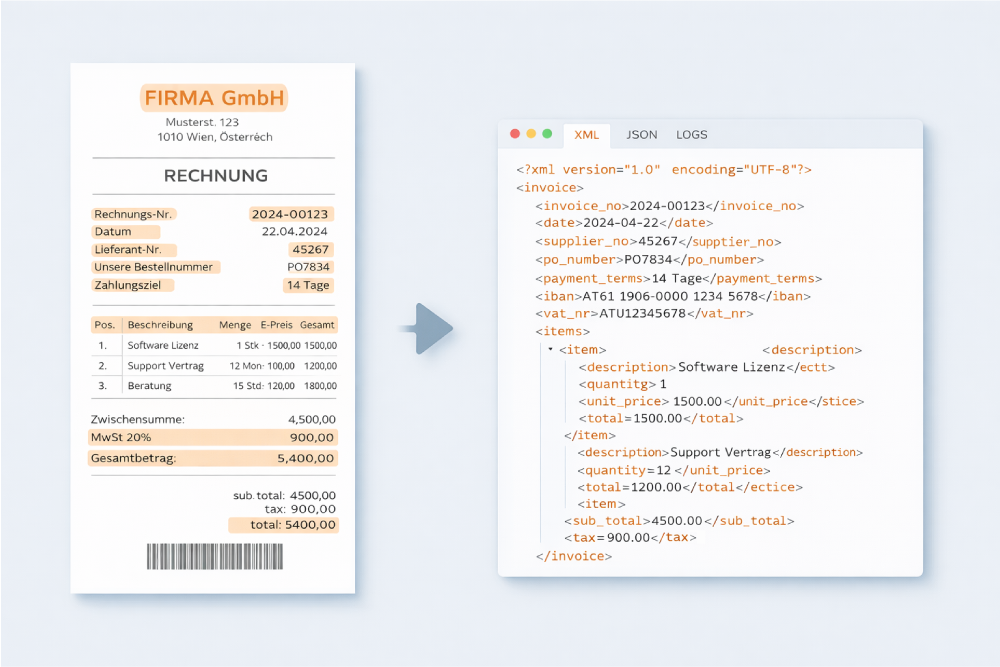
Employees photograph receipts right after receiving them. The data is processed automatically, and the entire approval process is mapped digitally. This significantly reduces companies’ administrative burden and speeds up the reimbursement of travel costs.
Free-com’s solution offers the following benefits:
How to use digital solutions for travel expense reporting correctly
To ensure the software can reach its full potential, we recommend the following:
- 1
Capture receipts immediately: Photograph receipts right after receiving them so nothing gets lost.
- 2
Train employees: Those who use the software confidently make fewer mistakes.
- 3
Check regularly: Even with automated reports, spot checks are worthwhile.
Do You Have Any Questions For Us?
We will be happy to consult you during a short, non-binding online appointment!
Further links